
Melamine-faced MDF - also called faced MDF, laminated MDF, or simply melamine board - is one of the most practical and widely used decorative panels in modern furniture making and interior fit-out. It combines the smooth, uniform substrate of MDF with a ready-made decorative surface, so manufacturers can skip painting and finishing entirely.
In this guide, we explain what faced MDF is, the different facing options available, its key advantages, where it is used, and how to select the right specification for your project.
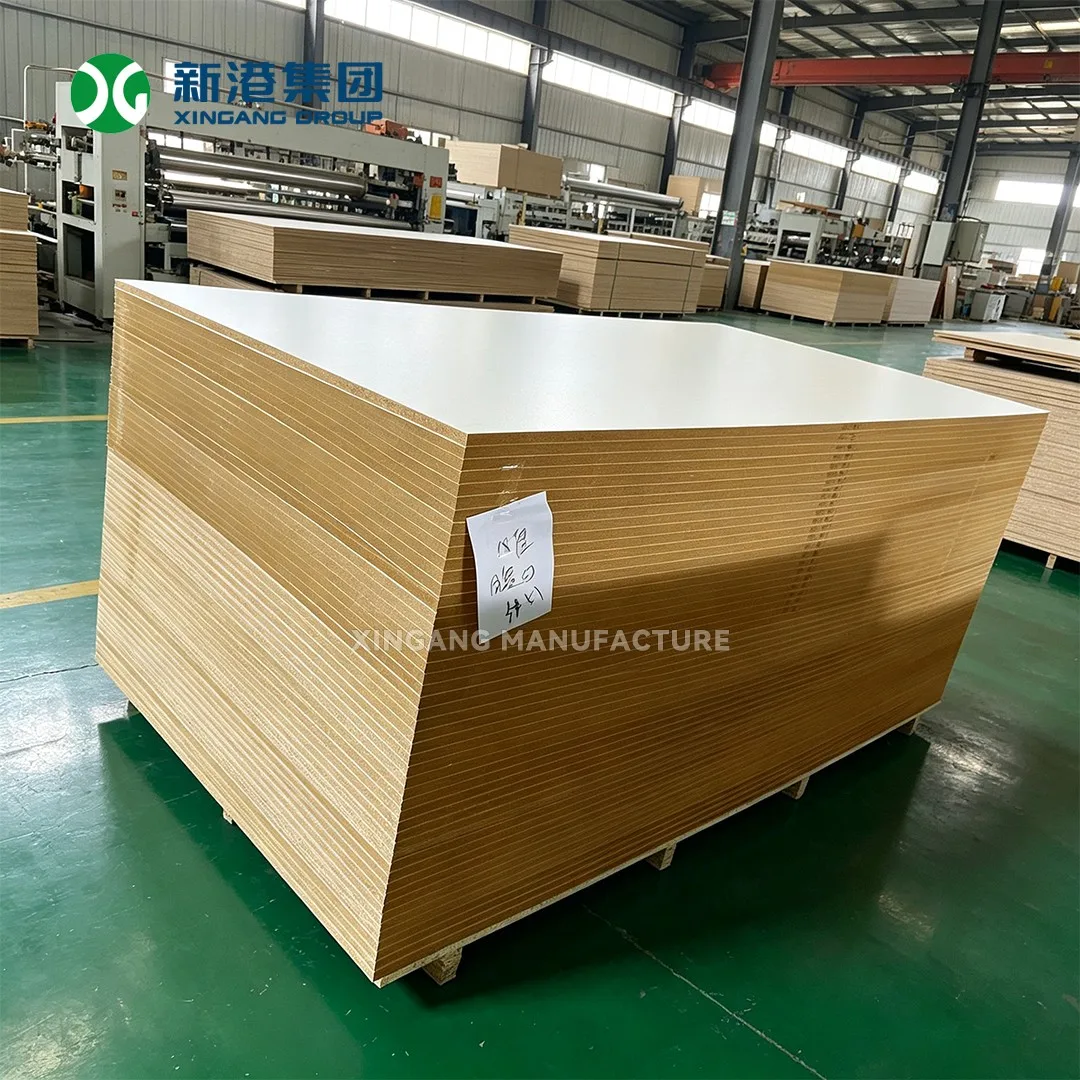
What Is Faced MDF?
Faced MDF is a two-part product: a core substrate plus a decorative surface bonded to it.
A standard Medium-Density Fiberboard core - fine, dense, and uniform, giving the panel a smooth surface and excellent machinability.
A decorative layer - most commonly melamine-impregnated paper - bonded to the board under heat and pressure to create a durable, finished surface.
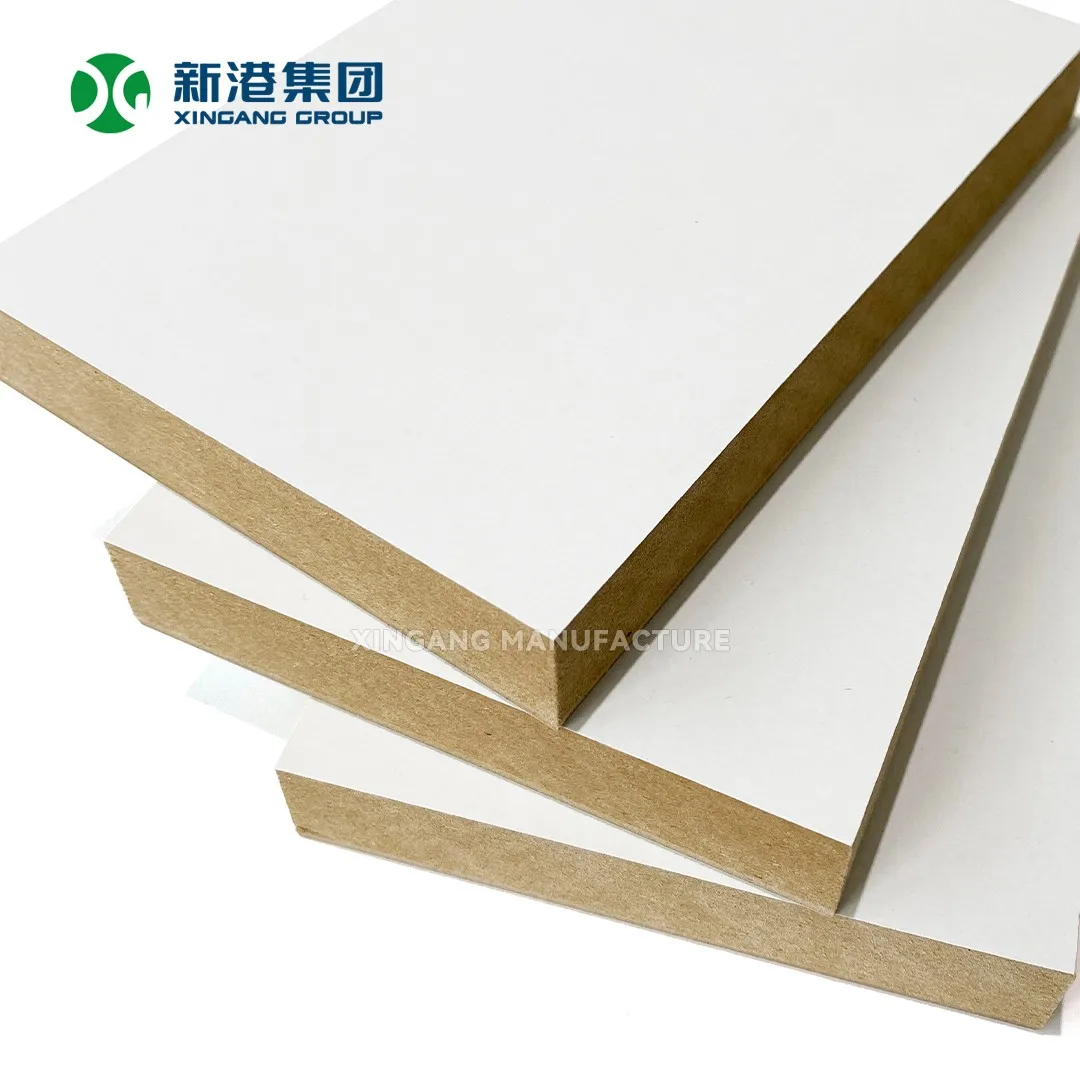
Common Facing Options
While melamine is by far the most common facing, MDF can be faced with several materials depending on the desired look, durability, and budget:
| Facing Type | Description | Best For |
|---|---|---|
| Melamine paper | Decorative paper impregnated with resin, heat-bonded to the board | Cabinets, furniture, fit-out |
| Wood veneer | A thin layer of real wood for an authentic grain and finish | Premium furniture, panels to be stained |
| PVC film | A flexible decorative film, often used for shaped and curved surfaces | Kitchen doors, curved profiles |
| HPL (high-pressure laminate) | A thicker, harder decorative laminate for high-wear surfaces | Worktops, commercial interiors |
| Painted / lacquered | A sprayed or roller-applied finish for solid, seamless color | High-end cabinetry, interior doors |
Popular Surface Designs
One of the biggest advantages of faced MDF is the enormous range of decorative designs. Modern printing and embossing technology can reproduce convincing textures and colors:
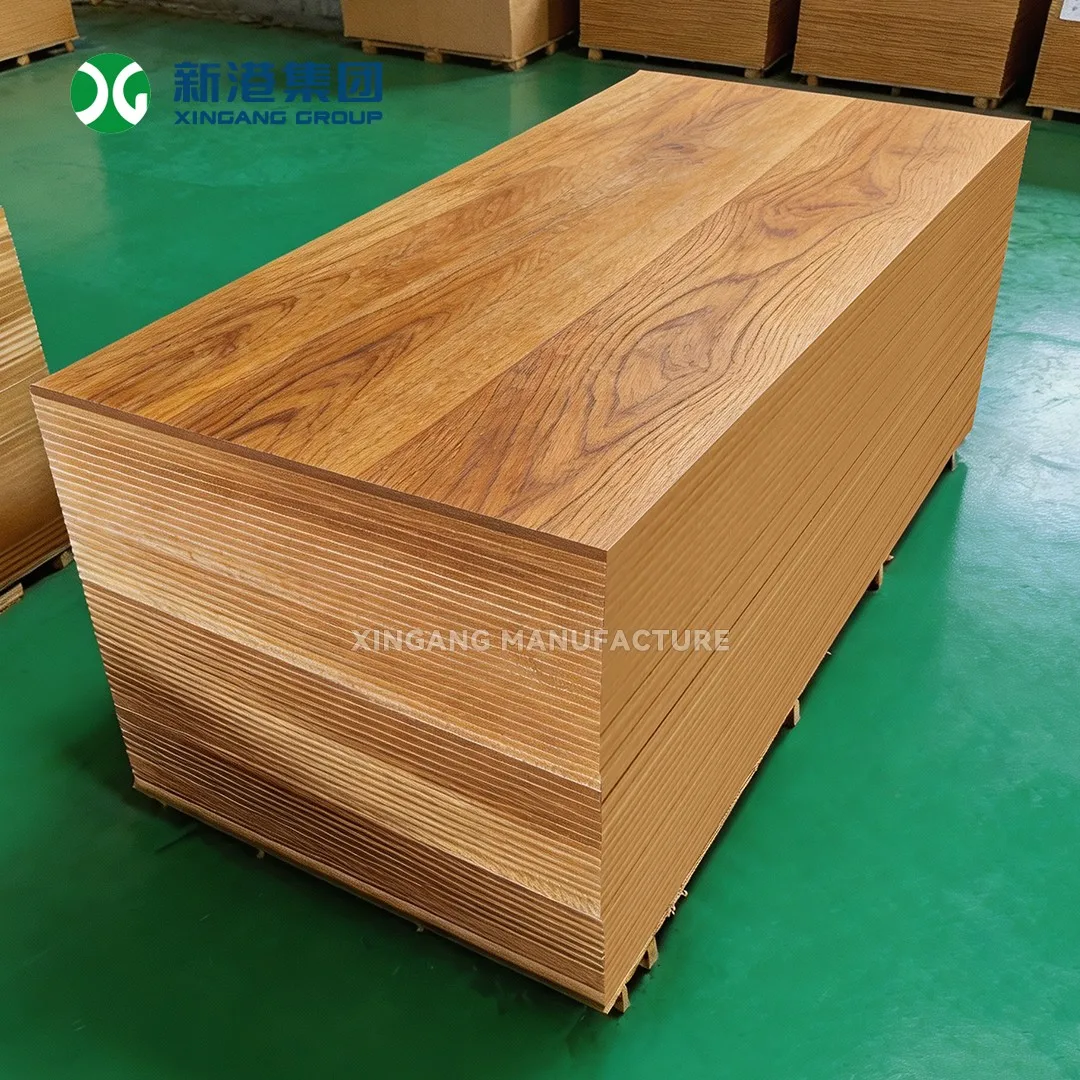
Key Advantages of Faced MDF
Ready to use - No painting or additional finishing required; the decorative surface is already applied.
Consistent quality - Factory-applied facings deliver a uniform color and texture, board after board, without the variation of on-site finishing.
Durable surface - Melamine facings are resistant to everyday wear, scratches, and moisture on the surface, and are easy to clean.
Wide design choice - Hundreds of colors and patterns are available to match any interior scheme, from minimal white to rich wood grain.
Cost-efficient - Eliminates the labor and materials of painting, shortening production time and reducing cost.
Faced MDF vs. Other Finished Panels
| Panel | Finish Applied | Durability | Best For |
|---|---|---|---|
| Melamine-faced MDF | Factory-bonded | Good | Furniture, cabinets, fit-out |
| Painted MDF | Applied after manufacture | Variable; finish depends on process | Seamless high-end cabinetry |
| Wood-veneered MDF | Real wood layer | Good, but needs sealing | Premium natural-wood furniture |
| HPL-faced MDF | High-pressure laminate | Excellent - high wear | Worktops, commercial surfaces |
Where Is Faced MDF Used?
Because it is available in a wide range of designs and is ready for immediate processing, faced MDF is especially popular among flat-pack and custom furniture manufacturers, who require consistent, predictable panels at scale.
How to Choose the Right Specification
Thickness - Ranges from thin panels for drawer fronts and doors to thicker boards for carcasses and shelving; match the thickness to the structural load.
Facing type - Melamine for general furniture; HPL or veneer where higher wear or a natural finish is required.
Single or double-sided - Double-sided for exposed panels; single-sided (with a sanded back) where only one face is visible.
Surface finish - Matt, textured, or gloss; textured and matt finishes hide fingerprints and minor marks better.
Core type - Standard MDF for dry interiors; moisture-resistant (green-core) MDF for kitchens, bathrooms, and humid environments.
Handling & Care Tips
Edge banding - Cut edges expose the MDF core; apply matching edge banding to protect the core and complete the finish.
Seal cut edges - In damp areas, seal exposed edges to prevent moisture from reaching the core.
Clean gently - Wipe with a soft, damp cloth and mild detergent; avoid abrasive cleaners and excess water.
Store flat and dry - Keep panels flat, on a dry surface, and away from direct moisture before use.
Frequently Asked Questions
What does "melamine-faced" mean?
It means a decorative paper impregnated with melamine resin has been heat-bonded to the surface of the MDF. The result is a hard, decorative surface that needs no further finishing.
Can faced MDF be used in kitchens and bathrooms?
Yes - provided the core is suitable for the environment. For kitchens and bathrooms, specify moisture-resistant (green-core) MDF and seal all cut edges.
Do the edges need finishing?
Yes. The facing covers only the faces of the board; cut edges reveal the MDF core and should be finished with matching edge banding.
Can faced MDF be machined like standard MDF?
Yes. The MDF core machines, drills, and routes just like standard MDF. Care should be taken to avoid chipping the facing when cutting.
Summary
Faced MDF pairs the smooth, workable MDF substrate with a ready-made decorative surface - most commonly melamine. It saves the time and cost of painting, offers a vast range of finishes, and delivers consistent quality at scale. With the right facing, core type, and edge finishing, it is an excellent choice for furniture, cabinetry, and interior fit-out.
Sourcing faced MDF from Xingang Group
Xingang Group manufactures MDF and faced MDF panels in a wide range of thicknesses, colors, and wood-grain designs - with standard or moisture-resistant cores, and single or double-sided facings. Contact us to discuss specifications, request samples, or learn how our boards fit your product range.
Linyi, Shandong, China | www.cnxingang.com