
Medium-Density Fiberboard (MDF) is one of the most widely used engineered wood panels in furniture and interior fit-out. But standard MDF has one well-known weakness: it absorbs moisture and swells easily, which makes it risky in kitchens, bathrooms, and humid climates. This is where moisture-resistant MDF - often recognized by its distinctive green core - comes in.
In this guide, we explain what moisture-resistant MDF is, how to identify it, how it compares with standard MDF and other panels, where it should be used, and how to choose the right specification for your project.
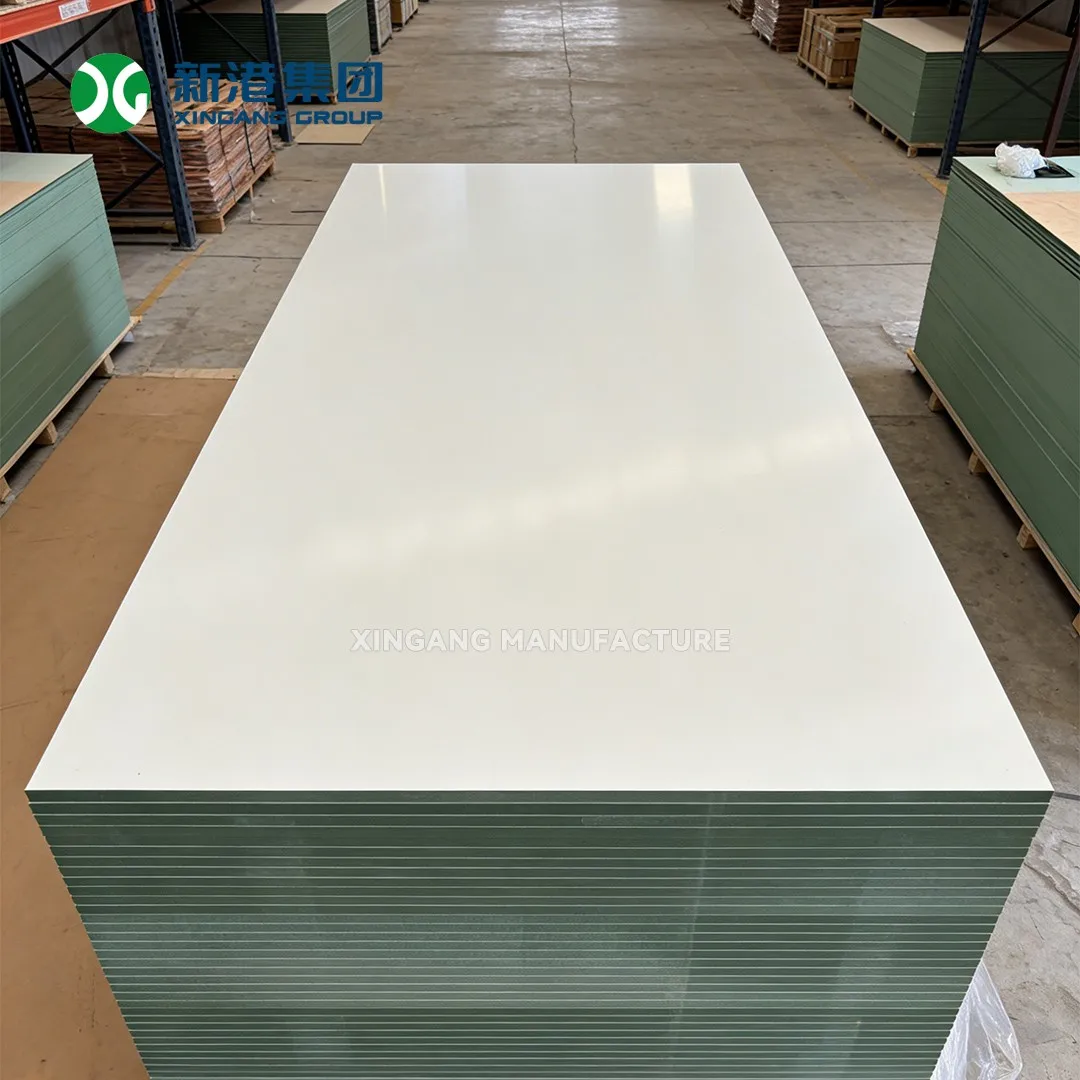
What Is Moisture-Resistant MDF?
Moisture-resistant MDF (sometimes called MR-MDF or HMR MDF, short for High Moisture Resistance) is an engineered wood panel made from wood fibers bonded with resin under heat and pressure - the same basic process as standard MDF, but with a key difference: moisture-resistant resins and additives are incorporated throughout the entire panel, not just on the surface.
These additives make the fiber structure less able to absorb water, so the board resists swelling and retains its shape better than standard MDF when exposed to humid air or occasional moisture. It looks and works like regular MDF - same smooth surface, same machinability - but performs significantly better in damp conditions.
Why Is the Core Green? Identifying Moisture-Resistant MDF
The most recognizable feature of moisture-resistant MDF is its colored core, which is most commonly green (some manufacturers use blue or another color). This is not a coating or a painted edge - it is a dye added to the fiber mix, which is why the color runs through the full thickness of the board.
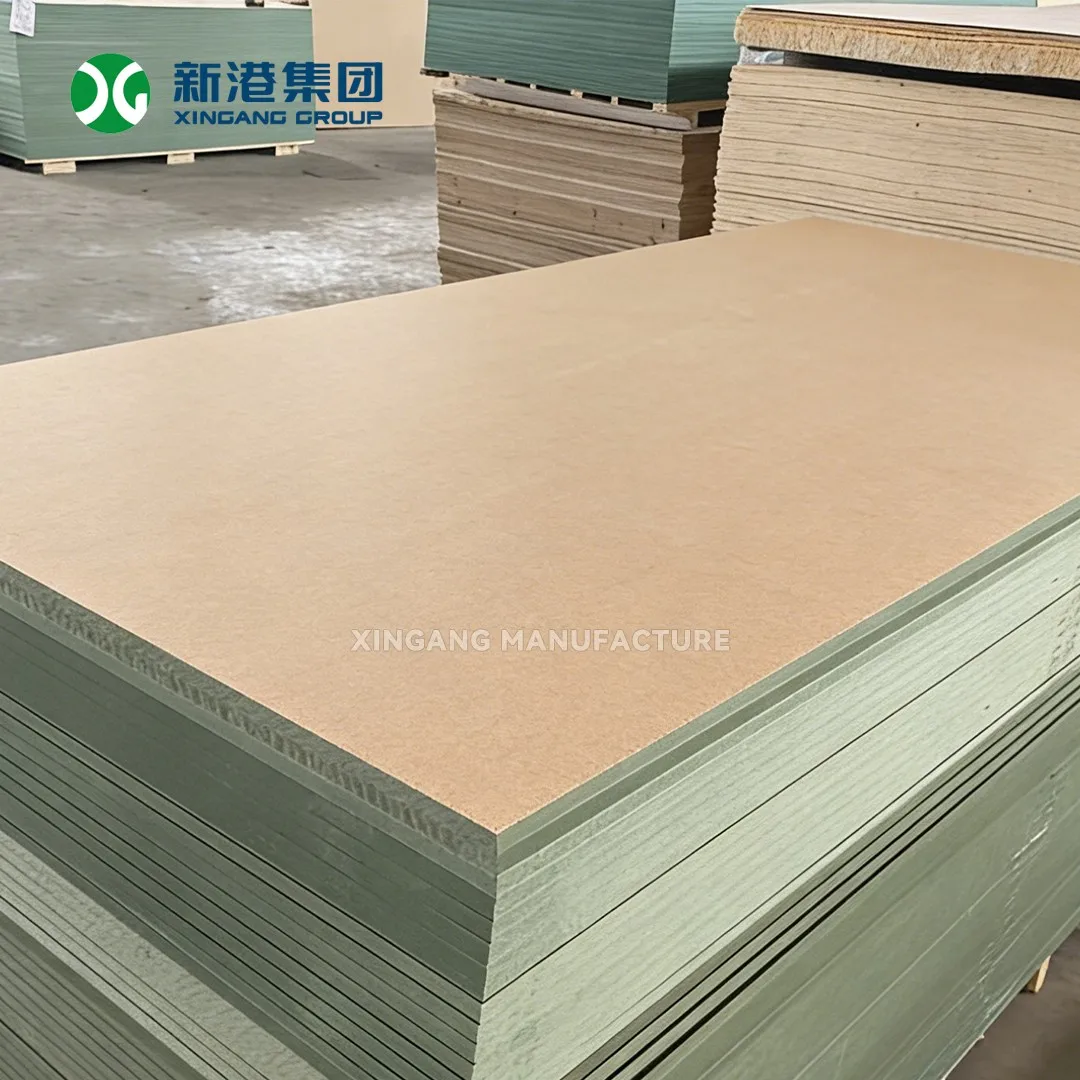
How to verify you are buying genuine moisture-resistant MDF:
Check the edge of the board (or an offcut) - the color must run all the way through, not just appear on the face or edge surface.
Confirm the supplier's technical data sheet states moisture resistance and thickness-swelling performance.
Be cautious of boards where only the edge is dyed - that indicates a surface treatment, not a fully moisture-resistant core.
Standard MDF vs. Moisture-Resistant MDF
The two panels look nearly identical from the surface, but their behavior in damp environments differs significantly:
| Property | Standard MDF | Moisture-Resistant MDF |
|---|---|---|
| Core color | Natural brown / tan | Green (full thickness) |
| Moisture resistance | Low - swells readily | High - resists swelling |
| Best environment | Dry, interior, low humidity | Kitchens, bathrooms, humid climates |
| Surface & machinability | Smooth, easy to machine | Smooth, easy to machine |
| Relative cost | Lower | Higher |
How It Compares with Other Moisture-Resistant Panels
| Panel | Moisture Resistance | Surface Finish | Typical Use |
|---|---|---|---|
| Moisture-Resistant MDF | High | Excellent - very smooth | Kitchen/bath cabinets, painted & faced panels |
| Plywood | High (marine grades highest) | Grain visible; structural | Structural, exteriors, wet areas |
| Particleboard (Chipboard) | Moderate to low | Coarser core; needs facing | Flat-pack furniture, shelving |
| Standard MDF | Low | Excellent - very smooth | Dry interior furniture, mouldings |
In practice, many manufacturers choose moisture-resistant MDF when they need the smooth, uniform surface and precise machinability of MDF - ideal for painted doors and faced panels - but in a space where damp conditions are a real risk.
Where Should Moisture-Resistant MDF Be Used?
Moisture-resistant MDF is the natural choice for interior applications where humidity is higher than a normal living room:
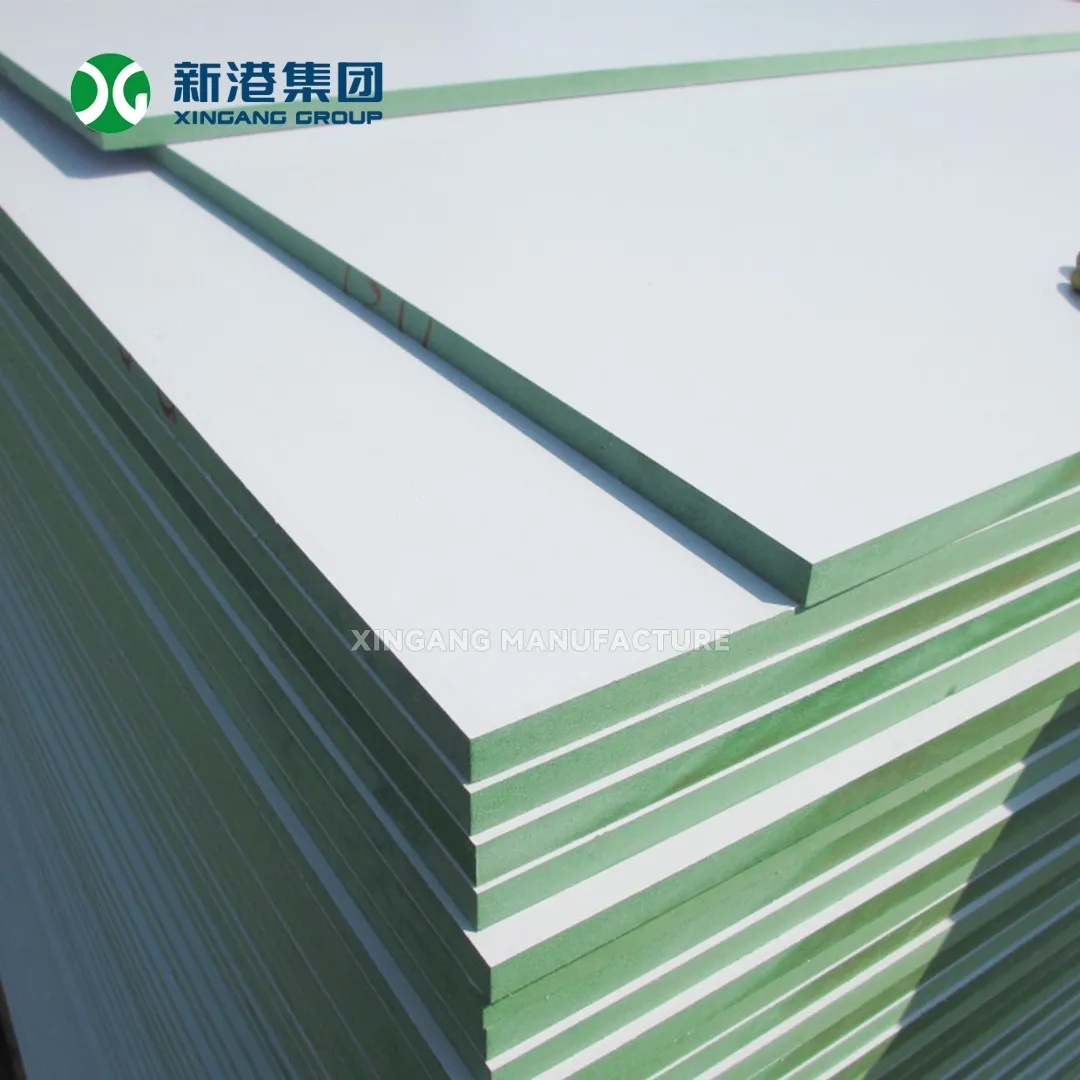
It is also frequently specified for projects in tropical and coastal markets, where ambient humidity is consistently high, and for any furniture destined for regions where seasonal moisture swings are large.
Important: Moisture-Resistant Does Not Mean Waterproof
A key point to understand before you specify or buy:
Moisture-resistant MDF resists moisture absorption - it is designed to tolerate humid conditions and occasional surface moisture. It is not waterproof, and it is not intended for prolonged immersion or continuous direct contact with standing water. For truly wet or structural applications, a marine-grade plywood or a dedicated waterproof panel is the appropriate choice.
Used correctly - with sealed edges, proper fixings, and sensible detailing - moisture-resistant MDF will significantly outperform standard MDF in damp environments.
How to Choose the Right Specification
When sourcing moisture-resistant MDF, consider these factors:
Thickness - Choose based on load and span. Common thicknesses range from thin panels for doors and drawer fronts to thicker boards for carcasses and shelving.
Facing - Plain sanded MDF is used for painting; melamine-faced or veneered boards are used for ready-to-assemble cabinetry and fit-out.
Core verification - Confirm the green (or colored) core runs through the full thickness, and review the technical data sheet.
Environmental certification - For interior living spaces, look for low-emission certifications to ensure the panel meets indoor air-quality requirements.
Frequently Asked Questions
Can I use moisture-resistant MDF in a bathroom?
Yes - it is a common choice for bathroom vanities and cabinets. However, edges should be sealed and the board should not be exposed to continuous standing water or direct spray.
Is moisture-resistant MDF the same as plywood?
No. They are different products. Plywood is built from layers of wood veneer and offers structural strength and, in marine grades, higher water resistance. MDF offers a smoother, more uniform surface for finishing and detailed machining.
Does the board have to be green to be moisture-resistant?
Green is the most common identifier, but some manufacturers use other colors. The reliable way to confirm is to check the technical data sheet and verify that the color runs through the full core - not just the surface.
Can moisture-resistant MDF be painted or faced?
Yes. It machines and finishes just like standard MDF, and is regularly supplied with melamine facings or veneers, or painted directly after proper edge sealing and priming.
Summary
Moisture-resistant MDF combines the smooth surface and machinability of MDF with meaningful protection against humidity and moisture - identified by a colored core that runs through the full panel thickness. It is the practical choice for kitchens, bathrooms, laundry areas, and humid climates, provided it is used within its limits and not treated as a waterproof material.
Sourcing moisture-resistant MDF from Xingang Group
Xingang Group manufactures moisture-resistant MDF with a full-thickness moisture-resistant core, available in a range of thicknesses and with plain, melamine-faced, or veneered surfaces for cabinetry and interior fit-out. Contact us to discuss specifications, request samples, or learn how our boards fit your product range.